

If you work in tech and often find yourself reaching for snacks between tasks, you may not actually be experiencing true hunger.
You may be responding to a different type of need.
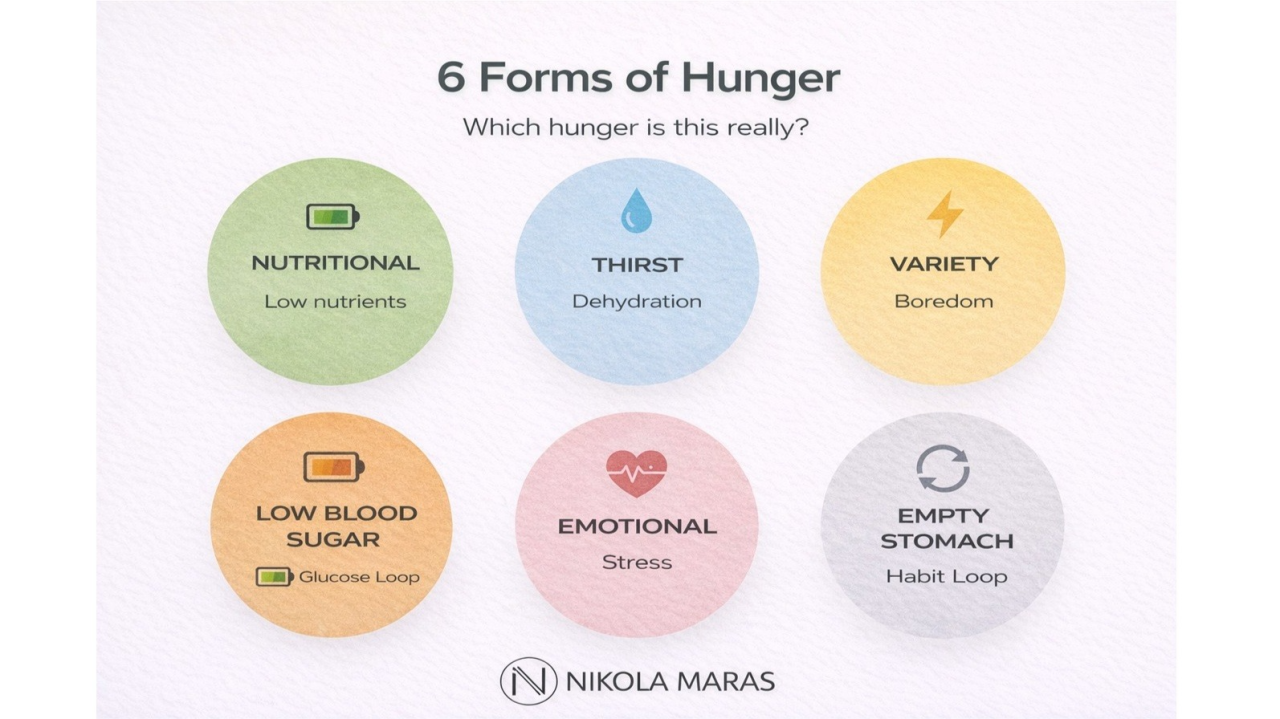
According to the six human hungers framework, many perceived hunger signals are actually misinterpretations by the brain.
Here is how this applies to tech professionals:
1️⃣ Nutritional hunger – the only real one
Your body needs specific nutrients: protein, minerals, and healthy fats. If your diet consists mainly of coffee, pastries, and quick carbohydrates, your body will later signal an urgent need for nutrients.
Tech check-in: If your meals are primarily ultra-processed or delivered foods, you are likely experiencing nutritional hunger.
2️⃣ Thirst – disguised as hunger
Historically, much of our water intake came from food, but now many people do not consume enough water directly. Often, the urge to snack is actually a sign of mild dehydration and mental fatigue.
Tech check-in: Before reaching for a snack at your desk, try drinking a full glass of water first. If the urge subsides within 10 to 15 minutes, it was likely due to thirst.
3️⃣ Variety hunger
The brain seeks a variety of textures, colors, and flavors as a natural way to obtain a range of nutrients.
Tech check-in: If you consistently eat the same few foods, your hunger may be a signal to increase dietary variety rather than increase quantity.
4️⃣ Low blood sugar hunger
After consuming foods high in sugar or refined carbohydrates, blood sugar levels can spike and then rapidly decline. This crash often results in feelings of anxiety, fatigue, and an urgent desire to eat.
Tech check-in: If you feel sleepy and unfocused 60 to 90 minutes after eating, low blood sugar may be affecting your concentration.
5️⃣ Emotional hunger
Emotional hunger is especially common among tech professionals. Feelings of boredom, stress, loneliness, anxiety, or lack of appreciation can trigger this type of hunger. In these situations, food often serves as a source of comfort.
Tech check-in: If you eat when you are not physically hungry, especially after challenging meetings or incidents, emotional hunger may be influencing your behavior.
6️⃣ Empty stomach hunger
Your stomach can signal hunger even when your body has enough energy. This response is a remnant of survival strategies from periods of feast and famine.
Tech check-in: An empty feeling in your stomach does not necessarily mean you need food right away.
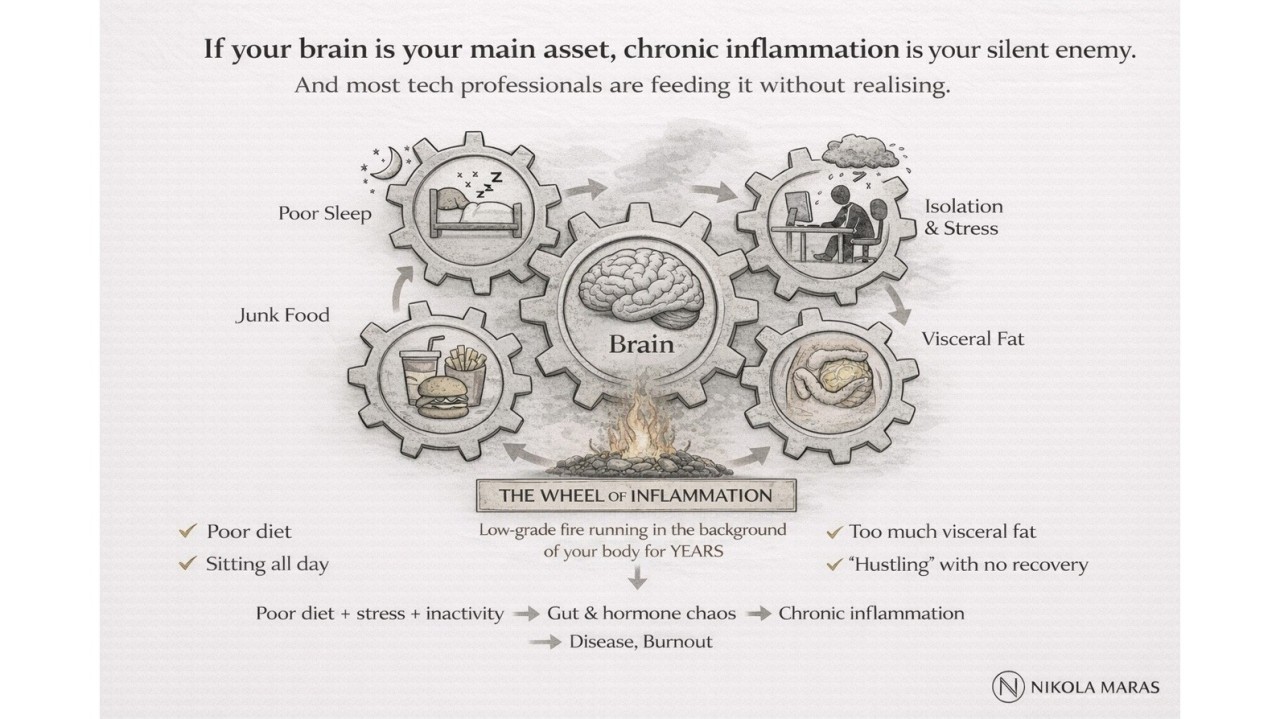
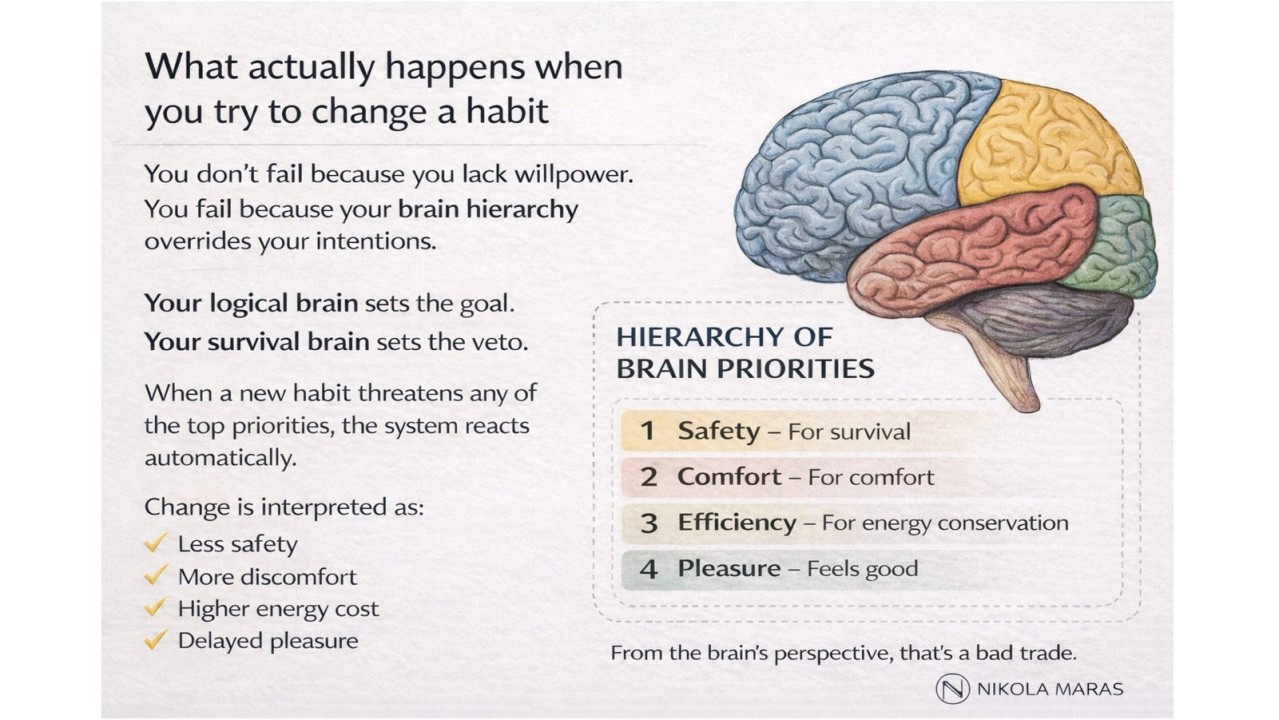
The issue extends beyond food choices alone. It’s that your Survival Brain + Saboteur voice hijack these hungers and create a loop:
stress → snack → crash → guilt → more stress → repeat
If you work in tech and want to maintain high performance without being driven by unconscious eating habits,
Pause for 10 seconds before reaching for food and ask yourself:
“Which hunger is this really?”
Asking this question can begin to interrupt the cycle.
If you would like support in combining mental fitness (PQ) with practical strategies to stabilize your energy, sleep, and weight, please send me a direct message, and I will share how I work with tech professionals on these challenges.